
A window facing Birch Bay can be the reason you choose a particular seat in the living room. On a bright afternoon, it can also be the reason you move. When sunlight reflects off the water or comes in low across the glass, a shade you can lower partway lets you stay put and keep some of the view. Motorized operation makes that adjustment easier across a wide window or a row of windows. For many homeowners, that’s the appeal of motorized shades for Birch Bay homes.
Custom motorized shades let you decide how much of the glass to cover, which windows to move together, and where you want the controls. Fabric does much of the work, whether that means softening daylight, screening a ground-floor room from view, or darkening a bedroom before an early bedtime. The motor helps you put that fabric where you need it. At Lorraine’s Window Coverings, we start by asking you to show us what your windows look like at the hours you use them most. A room that feels comfortable during a midmorning consultation may need a very different shade position by dinner.
Set the Shade for the Seat With the View
Start in the spot where the glare bothers you. From a sofa, the brightest part of a bay-facing window might sit just above the horizon. At a dining table closer to the glass, it might be the reflection lower down. When planning motorized shades for Birch Bay homes with a water view, note the height of the troublesome light as well as where it comes from. A shade lowered to the right spot can leave the rest of the window open.
If possible, take two photos from your usual seat when the room is brightest on a typical day. Include the full window in one photo and the reflection on the television, table, or floor in the other. At your consultation, these help you discuss whether lowering the shade halfway will do the job or whether the fabric needs to cover most of the glass. With a roller shade, for example, the bottom edge can stop where it cuts the beam crossing the room. If your room looks out toward the bay from two directions, the windows may benefit from different shade positions even when their fabrics match.
Compare Solar and Light-Filtering Fabrics at Your Window
Solar shades are worth considering for living rooms where preserving an outward view matters. The size and spacing of openings in the screen fabric affect how clearly you can see through it and how much light gets through. Bring the fabric to the actual window and look toward the brightest part of the view. Swatches for motorized shades for Birch Bay homes are easier to compare against water, sky, or an open patio than against an indoor showroom wall.
Test the Fabric With the Lights On
A solar fabric that provides screening during the day can look very different after dark when the room is lit. In a street-facing room or a home near a public beach access, check the evening view from your own porch or walkway. If you want more coverage after sunset, compare a tighter light-filtering fabric or add a separate privacy treatment. A light-filtering roller shade can keep the room bright while obscuring details from outside. Hold it up in the late afternoon to see how much light it lets in.
Choose a Bedroom Shade Around the Light That Wakes You
In one bedroom, the concern might be summer daylight coming in around the window before you’re ready to get up. In another, an exterior fixture might shine through a narrow side gap all night. With motorized shades for Birch Bay homes, lowering the treatment at bedtime is easy, and fabric and mounting details determine how much light reaches the room. Identify whether the light comes through the material or from around its edges.
Room-darkening roller or cellular shades are worth comparing. An outside mount can extend coverage beyond the opening where the trim and surrounding wall allow. If you prefer an inside mount, ask how much space the specific shade needs along the sides and what kind of light you should expect there. A room-darkening fabric can still leave a bright outline at the window. If the goal is a darker room for daytime sleep, ask how lined drapery could cover that outline and whether there’s enough room for both sets of hardware. Test the controls from the bed if that’s where you’ll usually use them. Even a shade you rarely schedule should be easy to close when you turn in.
Decide Which Windows Should Move Together
A bank of windows may look like one large opening from across the room, yet each pane has a different job. The center pane may frame the bay while one side catches the light that lands on the television. When configuring motorized shades for Birch Bay homes with several windows in one room, decide where individual control will help and which windows you’ll ordinarily move as a group.
One way to plan a living room is to group all the shades for closing at night, while keeping a separate control for the pane that causes afternoon glare. In a dining area, you might want the shades facing the table to move together and leave the kitchen shades on their own setting. Ask to see how you select a group and then make an adjustment to just one shade. If the shades are different heights, talk through what you want midway positions to look like. A partial stop can be useful for the view, but you’ll want to choose the stopping points with the different window sizes in mind so the lower edges look intentional.
Keep Motorized Shades Clear of Patio Door Hardware
A patio door is often the busiest opening in a home during a Birch Bay summer. Plan the shade around the part of the day when people are using the deck rather than relying only on a photo of the closed door. Leave room for the handle, lock, and moving panel when fitting motorized shades for Birch Bay homes. Show your installer how far the door opens and where you stand when you reach for the control.
Compare Full Door Coverage With Separate Sections
One wide shade can give a slider a continuous line across the glass when it’s down. Separate shade sections may let you uncover the passage while keeping the fixed panel shaded. The frame and available mounting space will help determine whether a division can fall in a position that gives you useful coverage. On a hinged patio door, check what happens when it swings fully open with the treatment raised. The headrail or bottom rail needs room to clear nearby trim and hardware. If a window and door share a wall, compare how the fabrics look together with both treatments lowered. You may be able to use related fabric colors while choosing different mounting positions to keep the door open and usable.
Pick a Power Source You Can Reach Later
Start by identifying which openings you can reach from the floor and where you would need a ladder. Rechargeable battery options can be convenient for existing windows where wiring would be difficult. For a tall stairwell or a wall of windows over furniture, ask how you’ll access the charging point and whether it is practical to do so after installation. Planning power for motorized shades for Birch Bay homes is as much about access a year from now as it is about what works on installation day.
During a remodel or new build, ask whether a wired shade makes sense for high windows or larger groups of shades. A builder or electrician can review the manufacturer’s requirements and coordinate the power location with your shade installer before finishes go in. On an existing window, look at where you’d want the charger or power connection to sit. A location that looks easy to reach before the shade goes up may be harder to reach after the trim covers part of the hardware. Discuss how you will know when a battery needs charging and whether you can operate the shade while charging. Those details differ by product and matter most for the shades you use daily.
Give Guests a Control They Can Find in the Dark
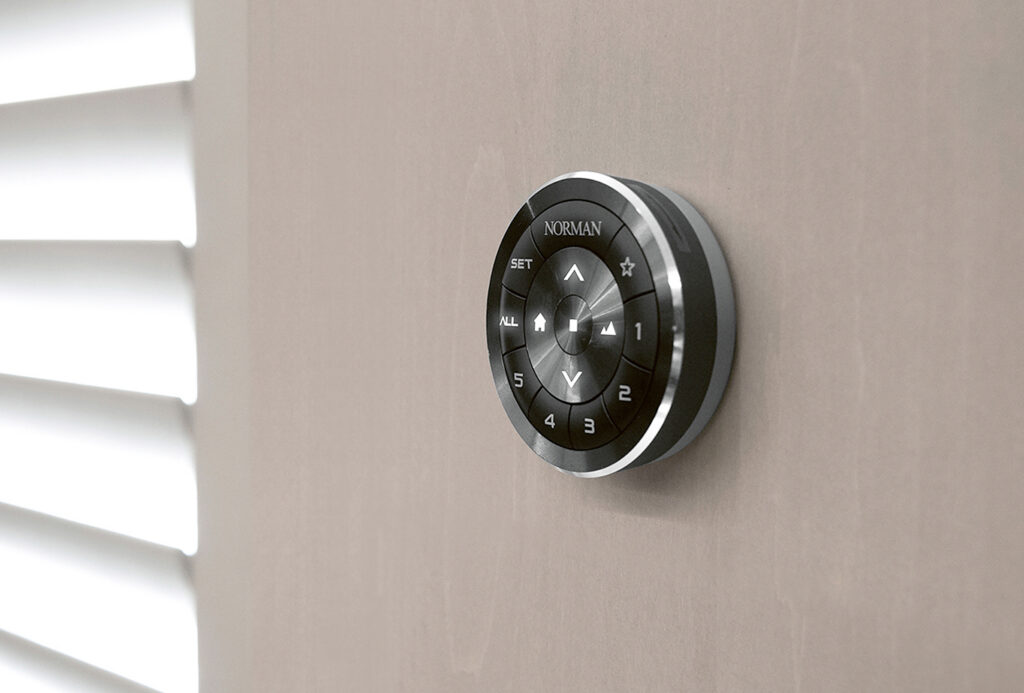
A guest arriving at a Birch Bay weekend home should be able to close the shades without learning how the whole house works. A wall control near a room’s entrance or a remote kept in the same place each visit gives people a simple way to operate them. For motorized shades for Birch Bay homes used by family and guests, decide which controls should be obvious to anyone who walks into the room and which settings are mainly for the homeowner.
At the showroom, try opening and closing a shade with each available control. If a bedroom remote controls multiple shades, make sure you can tell which one is selected. When a room needs only one everyday command, a dedicated control may be easier for guests to recognize. If you also want to use a phone app, ask which equipment you need for that feature and which functions work with the local remote when the internet is unavailable. Voice or smart-home integration can be convenient in a kitchen or living room. Confirm compatibility with the devices you already use and ask for a quick demonstration of how to make an adjustment by hand-held remote or wall control.
Use Schedules That Follow the Room’s Routine
On a summer evening, you might want the living room shades open well after dinner to enjoy the light over the bay. In winter, you may prefer to close them as soon as you turn on the lamps. Depending on the system, motorized shades for Birch Bay homes can run on schedules that suit those habits. Time settings are especially helpful on windows you regularly adjust and on shades you would otherwise leave lowered because they are inconvenient to reach.
Program one or two actions you know you’ll use. A west-facing shade might lower partway in the afternoon and close fully as part of an evening privacy routine. A bedroom shade might open at a different time on weekends, if your system supports separate schedules. When you review controls, ask how you can pause or override an automatic movement. You’ll want that flexibility if friends are over and you decide to leave the view open longer. For a home you visit periodically, ask how remote access and schedules behave when you’re away and what happens after an internet or power interruption.
Match the Fabric to Different Rooms on the Same Side
From the street or a shared driveway, several windows can read as one group. Inside, one may belong to a bedroom and another to the living room. When selecting motorized shades for Birch Bay homes with adjacent rooms, compare how each fabric looks from the glass side. Some collections offer related colors in different opacities, but samples that look alike from inside can differ from outdoors.
Review the Fabric and the Hardware Together
Hold samples side by side with the window behind them and look from both directions. Check the fabric backing and the color of the lower rail. If one room needs stronger evening privacy, ask to see a more opaque option with a similar outward-facing finish. In the living room, a light-filtering fabric may let you cover the glass earlier in the day without making the room feel dim. At the bedroom window next door, a room-darkening fabric may be a better fit. Where the windows share a casing profile or roofline, coordinate the placement of the shades so the hardware looks consistent across the openings. Discuss how the fabrics will read from outside when some shades are raised and others are down.
Account for Deep Trim and Tall Glass During Measuring
A shade can fit between the sides of a window opening and still need more mounting depth than the opening provides. In a Birch Bay cottage with detailed wood trim, you may want the casing to remain visible when the shade is down. On a newer home with tall glass, you may be more concerned with keeping the rolled fabric out of the top of the view. Professional measuring for motorized shades for Birch Bay homes considers both the size of the opening and the position of the hardware.
Show the installer your favorite view with the treatment fully raised. Ask where the headrail, roll, or fascia will sit and how much of the glass it may cover. For an inside mount, check whether latches, crank handles, or projecting stops cross the fabric’s path. For an outside mount, look at how far the shade needs to extend and where there’s suitable support for the brackets. If you’re replacing a treatment that frequently catches on a latch, demonstrate where it happens. A good measurement visit captures those everyday movements as well as the dimensions and gives you a chance to discuss the finished look before you place an order.
Compare Shade Styles for Exposed Windows
For a living room near Birch Bay Drive, a roller shade can provide a simple line across the glass and retract when you want the view fully open. Cellular shades are worth considering where you want an insulating layer at the glass and would like to choose between light-filtering and room-darkening fabrics. In a dining space, a Roman shade can bring in texture and folds, with a different appearance when it gathers near the top. When looking at motorized shades for Birch Bay homes, compare how each style looks fully raised as well as fully lowered.
Bring the sample away from the showroom display and look at how it reads against your trim and paint. Think about how often you’ll handle the window and whether you want to see a flat fabric or a folded profile when the shade is in use. On a window you frequently open for fresh air, ask how the shade should be positioned while the window is open and how to care for the fabric. For direct exposure on a deck or patio, Lorraine’s also offers awnings and outdoor shades. We can help you compare those treatments for exterior openings and discuss how an indoor shade would fit the accompanying window or door.
Get a Quote That Shows Fabric, Power, and Controls
When comparing a quote for several windows, look at what’s included for each opening and what’s shared across the room. The fabric, dimensions, decorative hardware, power option, and control system can all play a role. For motorized shades for Birch Bay homes, ask whether the quoted controls cover each window individually, a group, or both. If you’re interested in app control or scheduling, see which parts of the system are included and which features the quoted setup supports.
You can start with the problem windows if you’re planning the work in phases. A tall stairwell window or a west-facing bank of glass may give you a reason to begin before replacing the shades in the rest of the house. Discuss which colors and controls you’d carry over and how new shades would join an existing system, if that’s part of the plan. If the project is a remodel, share the window list and expected finish dates. That will help determine when to take final measurements and where to coordinate with your builder. Ask what to expect at installation and how you’ll learn to use and adjust the controls once the shades are in place.
Try Motorized Shades in Our Bellingham Showroom
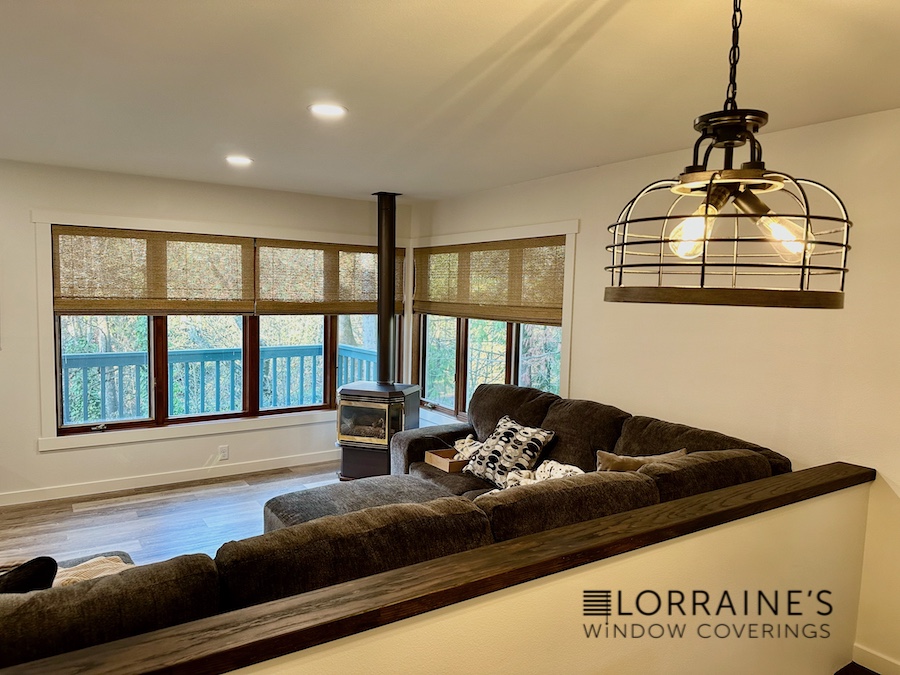
Visit Lorraine’s Window Coverings in Bellingham, WA, to see how the shades move and how much fabric collects at the top of a display. Bring photos of the openings and tell us which windows you can reach easily. When you’re comparing motorized shades for Birch Bay homes, raising and lowering samples in person can help you choose a control and decide how visible you want the finished hardware to be.
Our showroom carries custom blinds, shades, shutters, drapery, motorized window treatments, awnings, outdoor shades, and retractable screens. Explore products from trusted manufacturers such as Hunter Douglas, Graber, Alta, Lafayette Interior Fashions, and Norman. Ask which collections offer the combination of fabric, size, power, and controls you want. Lorraine’s is locally owned, woman-owned, and family operated and has served the area since 1995. We work with homeowners, home builders, and commercial clients, and we provide professional measuring and installation. If your project includes several kinds of openings, bring a photo of each type so we can discuss where the same product will fit and where another treatment may work better.
Schedule a Complimentary In-Home Consultation in Birch Bay
Schedule a complimentary in-home consultation with Lorraine’s Window Coverings to compare motorized shades for Birch Bay homes and receive a customized quote. We’ll look at your windows in person, consider when you need privacy or glare control, and help you find fabrics and operating options that fit your home and budget. Call (360) 738-8175 or email contact@lwcblinds.com to schedule your visit. If one opening is driving the project, tell us the time of day you’d most like to change how the room feels.
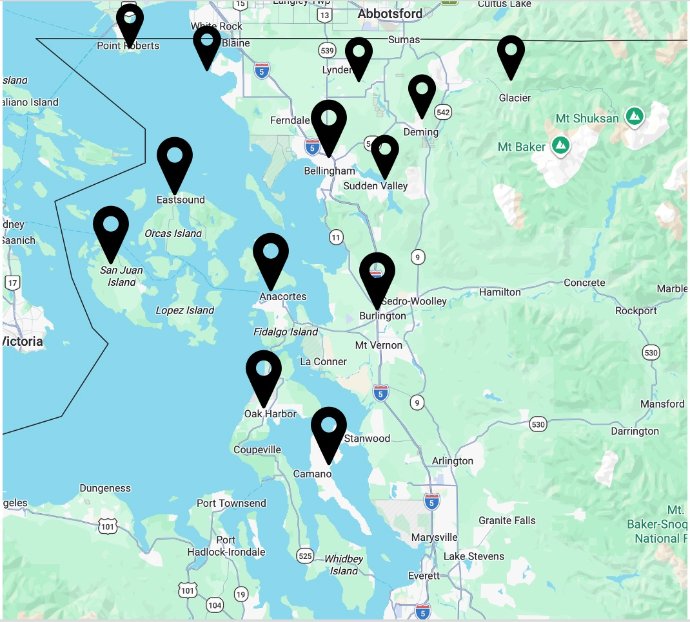
We serve Birch Bay and surrounding Whatcom County communities, including Bellingham, Point Roberts, Blaine, Semiahmoo, Lynden, Ferndale, Deming, Glacier, Acme, and Sudden Valley. Our service area also includes Oak Harbor and Camano Island in Island County, along with Mount Vernon, Burlington, Sedro-Woolley, Anacortes, and La Conner in Skagit County. We serve Orcas Island, San Juan Island, and Lopez Island in the San Juan Islands.
Before your appointment, notice which shades you tend to adjust together and which window you wish you could change from across the room. We can use that information to discuss a single shade, a room, or a plan for the whole house.
No responses yet