
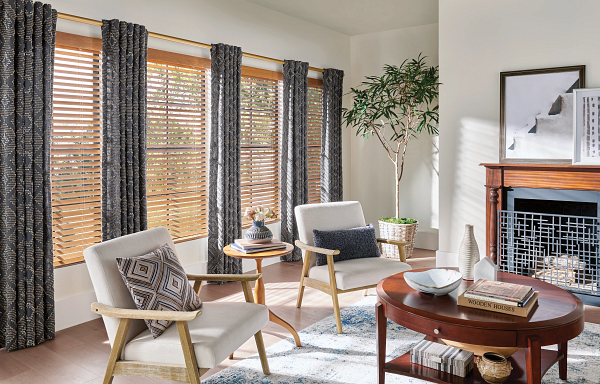
A front window near downtown Lynden may need privacy from the sidewalk through most of the day. A back window overlooking an open stretch of Whatcom County may give you all the privacy you need right up until the afternoon sun lands across the room. Both are good candidates for custom blinds, but the details that make each blind work will be different. The best blinds for Lynden homes start with a clear idea of what you want to change at each window.
Slatted blinds are especially helpful when the light or privacy you want changes throughout the day. You can tilt the slats to change the view, close them when the lights come on indoors, or lift a horizontal blind when you want the glass clear. Through a complimentary in-home design consultation, Lorraine’s Window Coverings can help you compare those settings at the windows you use every day. Start with the window that bothers you most and pay attention to what makes you reach for the blind. The time of day, where you sit, and who can see in will tell you plenty about what to order.
Check the View From Both Sides of the Glass
Think about who can see the window and from what height. Someone walking past a street-facing living room sees it from a different angle than a neighbor looking down from a second story. A blind tilted for privacy from the sidewalk may still leave a sightline from above. The best blinds for Lynden homes let you manage the sightlines you actually have while keeping as much usable daylight as you want.
Before a consultation, sit in your usual chair with any existing blinds set the way you normally leave them. Notice which parts of the street, porch, or neighboring property you can still see. Then look back toward the window from your own walkway or driveway if you can. Repeat the check after dark with the room lights on. It gives you a clear picture of when you’ll need to close the slats more fully. If afternoon privacy feels fine but evenings are the problem, ask to compare how the samples close and how much space remains around the edges.
Choose a Slat Width for How You Use the Window
View a sample while it’s hanging vertically and look through it with the slats open. Wider slats usually give you a broader view between them. Narrower slats can suit a smaller opening or a window where the blind needs to sit close to the glass. The best blinds for Lynden homes have proportions that suit the window and leave enough room for the slats to turn freely.
A big window over the backyard may be a good place to compare wider slats. On a narrow window beside the front door, the same scale could feel bulky against the trim. Where you sit matters, too. A breakfast table at window height puts the slats right in your line of sight, while a tall stair window is usually viewed from below. Hold the samples at roughly the height the blind will hang and compare the view from your usual spot. Check the raised position as well. A horizontal blind gathers at the top when lifted, and the size of that stack matters if the upper part of the window brings in much of the room’s daylight.
Compare Wood, Faux Wood, and Aluminum Blinds
Wood Blinds for Rooms Where the Finish Matters
Wood blinds can bring out the grain and warmth of woodwork in a living room, dining room, or home office. Bring a sample next to the actual sill or casing. A stain that looks close under showroom lighting can take on a different tone against the trim in your home. With stained woodwork, compare a close match and a painted finish that picks up a color already in the room.
Faux Wood for Frequently Used Windows
Faux wood is worth a look near a kitchen sink or in a bathroom where moisture and routine cleaning are part of the decision. Try lifting the sample, especially if you’re covering a wide opening. How much effort it takes matters on a blind you’ll raise every morning. Ask how to clean the specific finish you choose.
Aluminum for Windows With Limited Mounting Room
Aluminum blinds come in slim profiles that can work well on small windows or where depth is limited. Try a low-sheen finish if light reflecting off the slats is a concern.
Adjust for Morning Sun and Late Afternoon Glare
Two windows in the same Lynden home can have very different light. An east-facing breakfast nook may get direct sun while you’re using it in the morning. A west-facing living room may be comfortable most of the day until the sun drops low enough to hit the television or the seat nearest the glass. The best blinds for Lynden homes give you a way to make those rooms comfortable during the hours you use them.
Take a quick photo when glare is strongest and note where you were sitting. If the sun hits the far end of the dining table, for example, you may need to adjust only one blind in a row of windows. Separately operated blinds can give you that flexibility while preserving the view through adjacent glass. If your home has a deep porch or nearby trees, let the light you see in the room guide you. A covered west-facing window can behave differently from another west-facing window a few feet away. In the showroom, try tilting the slats in both directions so you can see how the same blind changes the way light comes through.
Keep Kitchen Blinds Clear of Faucets and Handles
A blind over a kitchen sink needs to work when the faucet is in use, when the window is open, and when you want to reach the control without leaning awkwardly. The best blinds for Lynden homes account for those movements before brackets go up. A tall faucet, a crank at the sill, or a window latch can determine how far back the blind can sit and whether the slats can tilt without hitting anything.
Try turning the faucet handle and opening the window while someone holds a sample near the intended mounting position. If the lower rail would land on the crank, ask about adjusting the mount or choosing a slimmer product. If the bottom slats are likely to catch splashes, compare finishes you can clean easily and ask to see the recommended care instructions. A window next to the breakfast table may need a different setup from the one over the sink. Matching finishes can tie those two blinds together while letting each window use the mount or control that works best.
Decide How Dark You Want Bedrooms After Closing the Blinds
Horizontal blinds let you change how much light comes in when you wake up or get ready for bed. Even with the slats closed, some light can come through between them and around the edges. If a porch light reaches a child’s room or early daylight is waking someone, the best blinds for Lynden homes may be ones that can sit comfortably alongside a room-darkening treatment.
Start by deciding whether your biggest issue is brightness, privacy, or both. If privacy comes first, check whether the slats and edges provide enough coverage from outside when the lights are on. If you need a darker room for daytime sleep, compare a room-darkening shade or lined drapery. Drapery can work over blinds if there’s enough space for the hardware and the fabric to move freely. In a guest room where people keep different schedules, check how easy it is to make a small change. That simple adjustment may be all a room needs when privacy matters more than blocking light.
Cover Sliding Doors Without Slowing Down Patio Access
Watch how people use the slider before choosing a treatment. If you’re going in and out of the backyard all afternoon, a covering that stacks clear of the moving panel makes the door easier to use. The best blinds for Lynden homes with sliding patio doors are easy to move out of the way and easy to close again once everyone is inside.
Vertical blinds are worth trying because the vanes tilt for light control and draw sideways to open the passage. Check where the vanes will collect when the treatment is open. If they stack near the door handle, they could make it harder to grab or cut into the clear opening. When wall space and mounting conditions allow, ask whether the stack can gather over the fixed side or beyond the glass. Open the door during the measuring appointment so the installer can see how far the handle projects and where the moving panel stops. If there’s a horizontal blind on the window next to the slider, bring both samples together. A similar finish can connect the two treatments while each operates in the direction its opening needs.
Check Trim Depth Before Picking a Mount
An inside mount places the blind within the window opening and leaves the face of the casing visible. An outside mount places the blind over the opening, using the wall or trim for support as conditions allow. The best blinds for Lynden homes with decorative casing, shallow openings, or projecting handles are the ones that fit the window once all those details are accounted for.
Older wood windows and newer replacement windows can have different mounting depths even when the trim looks nearly identical from across the room. A blind that sits neatly inside one opening may project at another. At a professional measure, check how much depth the brackets require and whether there’s clearance for a window crank, lock, or removable screen. Where an outside mount is a better fit, decide how far the blind should extend past the opening and how the headrail will line up with other windows you see from the same spot. If you’re replacing an existing blind, mention what you like about its position and what bothers you. That gives the installer more to work with than the old bracket locations alone.
Plan Wide Windows Around How Often You Open Them
Picture a wide picture window with a smaller operable window on each side. When the room gets warm, you may open one side for air while keeping the main blind tilted against glare. The best blinds for Lynden homes with wide window groupings let you make that adjustment without losing the coverage you still need across the rest of the glass.
Depending on the openings and the product, you might use separate blinds, multiple blinds under a shared headrail, or one wider blind. A single broad blind gives the whole opening a continuous appearance when the slats are closed, but it may take more effort to raise and will change the coverage across the entire window at once. With several blinds, ask where the divisions will fall. Aligning them with a frame or mullion may make them less obvious and help prevent a gap from landing in the middle of a clear pane. If the divisions show from the street, choose their placement with both the interior and exterior views in mind.
Try Cordless Controls and Ask About Motorized Tilt
Try operating the products you’re considering. See whether you can reach the bottom rail of a cordless blind when it’s fully raised, or adjust the tilt comfortably when the window sits behind a desk or sofa. The best blinds for Lynden homes should feel easy for the people who will use them most, even when the windows are tall or the furniture limits access.
Cordless operation is a practical option around children’s rooms and play areas. Check the specific control setup on the model you select. If a window sits high in a stairwell, ask which collections offer motorization and what the motor controls. Some motorized blinds adjust the tilt of the slats. If you want the whole treatment to lift by remote or on a schedule, confirm that function before ordering or compare a motorized shade that offers it. Also ask how you would reach the battery or charging point after installation. Motorized operation can solve the daily reach problem, and a reachable power source makes the occasional maintenance easier. At an in-home consultation, show your designer the floor or stair landing you normally stand on when you operate the window.
Match the Front of the House and Solve Room Needs Inside
Stand back from the house and look at which windows you can see together. On a Lynden street with a front porch or a pair of rooms overlooking the same sidewalk, a consistent color across those windows can make a noticeable difference. The best blinds for Lynden homes can give the front of the house a coordinated look while giving rooms with different needs their own controls or coverage.
Compare the backs of the actual product samples, including the headrail and bottom rail. Two finishes that seem similar indoors can look different from the street, particularly when the blinds sit next to each other. If you prefer a warmer wood finish in the front office but need a more moisture-tolerant blind in the nearby bathroom, check which finishes relate to each other from outside. Window alignment matters too. If adjacent openings are different heights, ask where the blinds will sit when down and whether you want their upper edges to align. For pairs of windows inside the same room, raise both samples or showroom displays if possible.
Bring Window Plans Into New Construction and Remodels
For a new Lynden home or a remodel, mark up the window schedule with the openings that need privacy, glare control, or special access. Flag deep sills, trim returns, doors with glass, and particularly tall windows. Planning the best blinds for Lynden homes while finishes are being selected gives homeowners and builders time to discuss where brackets will go and how controls will be reached.
Bring a trim profile or a photo of the casing when you visit Lorraine’s Bellingham showroom. A sample can help you see whether an inside mount will show off the casing or whether an outside mount will place the headrail where you want it. If different rooms get different trim packages, discuss each condition before assuming the same mounting style throughout the house. For motorized options that use wired power, bring the installer and builder into the planning while electrical work is still accessible. Use drawings to make early decisions about products and locations. Have the finished window openings professionally measured before the order is placed. Fresh measurements capture real clearances around the completed sills, handles, hardware, and trim, which may differ from the drawings.
Compare Quotes by Window and Installation Detail
A useful quote shows you what’s going on each opening. Compare the blind material, slat width, control, mounting style, and installation work. If the estimate for one window looks different from another of similar size, ask what accounts for it. A wide span, unusual bracket placement, or a different operating system can change the work involved. When budgeting for the best blinds for Lynden homes, an itemized quote makes it easier to decide where an upgrade will be valuable.
Start with the windows you use most or the ones that affect several people in the household. Kitchen, bedroom, and front-facing windows are a sensible first phase if they’re the rooms driving the project. If you plan to finish the house in stages, keep the collection and finish details for blinds you may want to match later. Ask which specifications you’d want to carry forward, especially for adjacent windows you’ll see together. During the measuring visit, point out anything that affects installation access, such as a fixed bench in front of the window or a landing where the installer will need room to work.
Compare Blinds in Our Bellingham Showroom
Bring a picture of the full window, a close-up of its trim and hardware, and a note about when glare or privacy becomes a problem. Comparing the best blinds for Lynden homes is easier when you can work a tilt mechanism, hold finishes side by side, and see the difference between slat sizes in person.
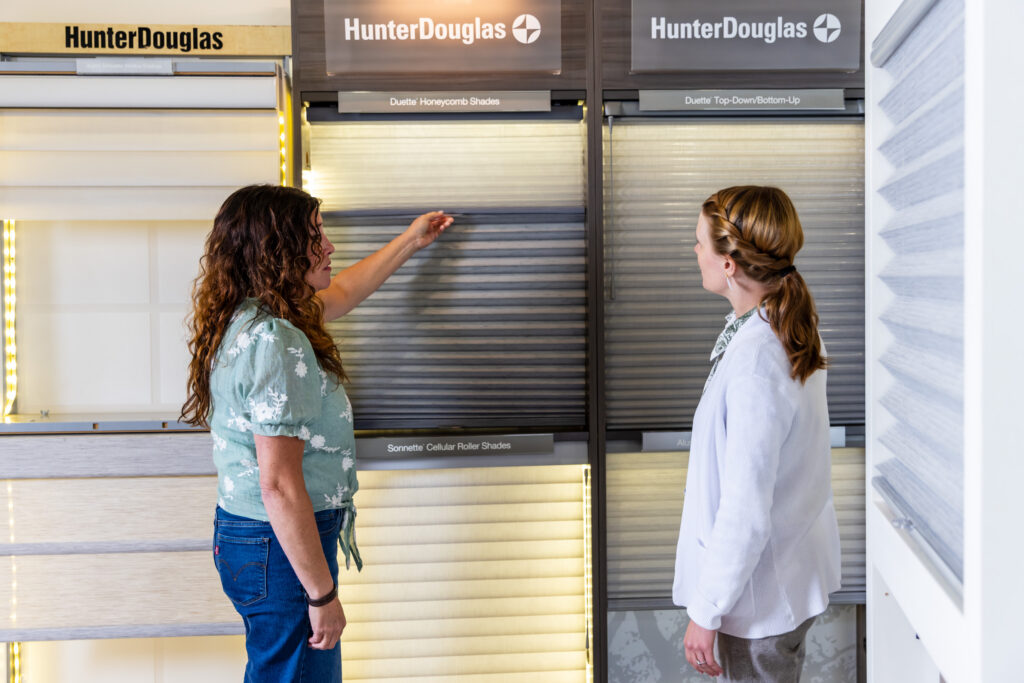
At Lorraine’s Window Coverings in Bellingham, you can explore products from manufacturers such as Hunter Douglas, Graber, Alta, Lafayette Interior Fashions, and Norman. Along with custom blinds, the showroom offers custom shades, shutters, drapery, motorized window treatments, awnings, outdoor shades, and retractable screens. If a bedroom needs more darkness or a patio opening calls for a sideways draw, seeing those options alongside blinds can help you decide what belongs at each window. We’re locally owned, woman-owned, and family operated since 1995. Our team works with homeowners, home builders, and commercial clients and provides professional measuring and installation. For a Lynden home, we can help with one hard-to-cover opening or a whole-house project.
Schedule Your Complimentary In-Home Consultation in Lynden
Schedule a complimentary in-home consultation with Lorraine’s Window Coverings to compare the best blinds for Lynden homes and receive a customized quote. We’ll look at your windows in person, discuss the light and privacy you want, and help you choose materials, controls, and mounting styles that work with your openings and budget. Call (360) 738-8175 or email contact@lwcblinds.com to schedule your consultation.
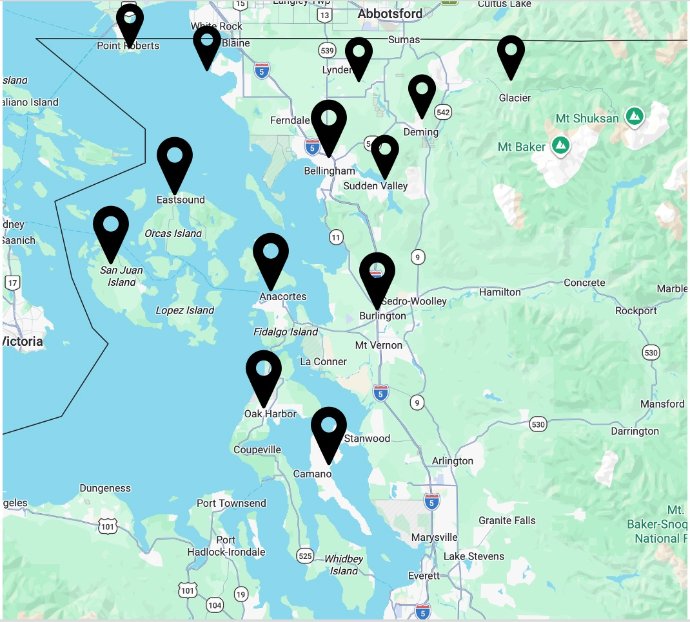
We serve Lynden and the surrounding Whatcom County communities of Bellingham, Point Roberts, Blaine, Birch Bay, Semiahmoo, Ferndale, Deming, Glacier, Acme, and Sudden Valley. Our service area also includes Oak Harbor and Camano Island in Island County. In Skagit County, we work in Mount Vernon, Burlington, Sedro-Woolley, Anacortes, and La Conner. We also serve Orcas Island, San Juan Island, and Lopez Island in the San Juan Islands.
When you contact us, tell us which rooms you want to start with and what you’d like to change. If a particular window is causing trouble, mention when you notice it most.
No responses yet